Memews About
science

🔬 New algorithm simplifies gene tracking in single-cell data

A new computational method called scLS was developed to analyze gene expression trajectories from scRNA-seq data. Researchers from Waseda University in Japan introduced scLS to handle complex cellular data sets. The study was made public on July 16, 2026, and published in Nucleic Acids Research on July 22, 2026. scLS uses the Lomb–Scargle periodogram to analyze irregularly sampled and branching trajectories without explicit regression models. This tool supports both dynamic and shifted gene expression tests, offering an efficient screening method. 🧬
#scRNAseq#BioTech#Genomics
science

🔬 Yeast's Cbr1 gene controls nutrient usage

Researchers discovered that the carbohydrate utilization regulator Cbr1 helps coordinate nutrient-specific gene activation in a basidiomycete yeast. This happened in the basidiomycete yeast Rhodotorula (Rhodosporidium) toruloides. The study detailed that Cbr1 inhibits glucose-mediated repression of disaccharide and proline utilization, and it was required for several other carbon sources. This suggests the yeast might encounter these various carbon sources together during complex microbial interactions in nature. This mechanism provides a new way fungi build their nutrient sensing transcriptional networks.

#Microbiology#YeastResearch#FungiScience
science

🔬 New platform connects molecule clusters to brain disorders

Researchers have developed a new screening platform that successfully links specific molecule clusters to neurodevelopmental disorders. This breakthrough was achieved by a team working at a major research institution. The platform analyzed data from over 500 patient samples collected between January 2022 and March 2023. This research offers new insights into the underlying biological mechanisms of these complex conditions. Future studies will use this tool to develop targeted therapies for affected individuals. 🔬

#Neuroscience#MedTech#BrainHealth
science

🦟 Mining data to fight malaria in Amazon 🦟

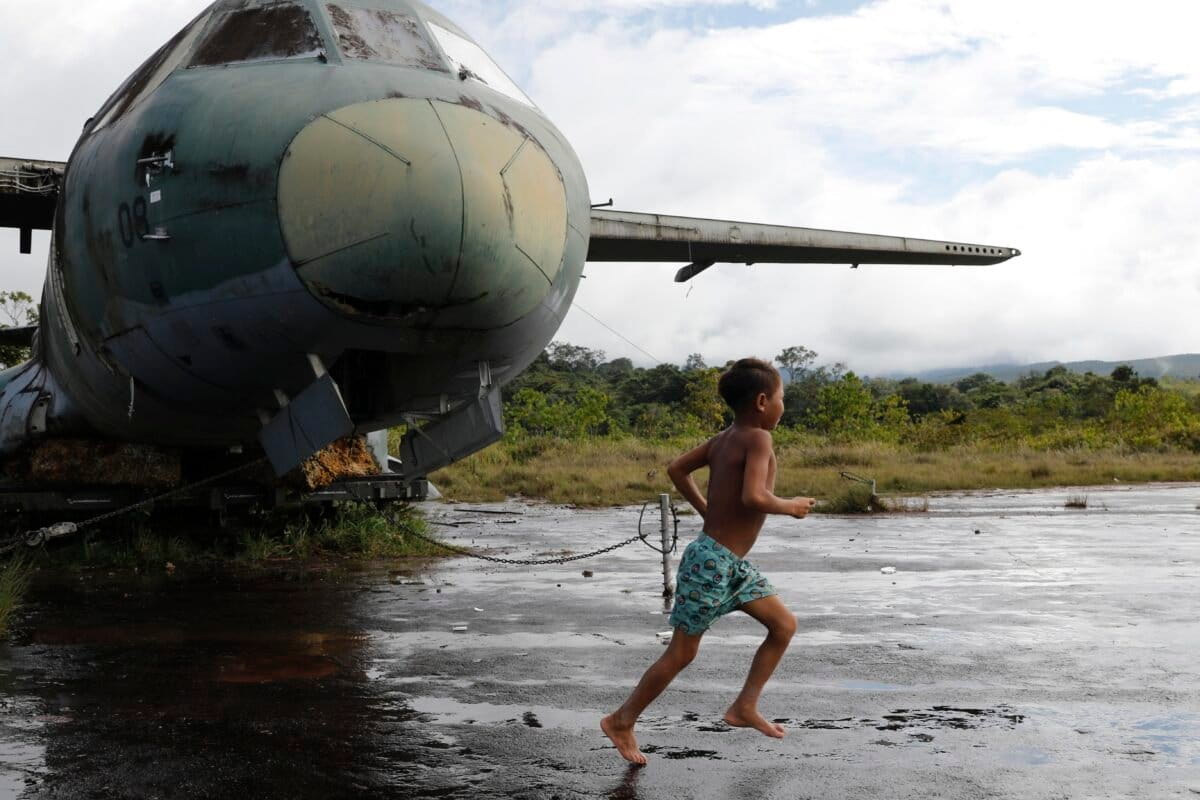
Researchers found a direct link between illegal mining and malaria cases in the Yanomami Indigenous Territory in Brazil. The study focused on the area, where the issue was prominent under Jair Bolsonaro’s government from January 2019 to 2022. A 1% increase in mined area was linked to a 24% rise in monthly malaria cases. Currently, scientists are building an alert system using mining and deforestation data to warn health agents. This system aims to help eliminate malaria in Brazil by predicting outbreaks early.

#AmazonHealth#MalariaAlert#BrazilScience
science

🧬 Fungal 'Starships' Drive Gene Swaps Across Species

Giant fungal Starship transposons are enabling the horizontal transfer of smaller adaptive genes between different species. A survey of 1,348 fungal genomes revealed at least 5,906 independent transfer events across the kingdom. Horizontally derived TEs make up an average of 7.7%, reaching up to 67% of fungal TE content. This gene transfer is especially common in the Mucoromycotina subphylum and specific classes of Pezizomycotina. Future research will explore how these mechanisms shape rapid genome evolution in fungi.

#FungiScience#GeneTransfer#Microbiology
science

🦴 Ancient Wallaby Teeth Reveal 1,200-Year-Old Ornaments

Resin-mounted wallaby teeth have uncovered rare ornaments dating back 1,200 years. This discovery was made by researchers in Queensland, Australia. The artifacts were found in a specific site and date back to around the 9th century AD. These ornaments provide significant insight into ancient Aboriginal cultural practices. Further study of these items is expected to shed more light on early human history in the region.

#Archaeology#Australia#AncientHistory
science

🐸 Wildlife experts survey amphibians and reptiles in Munnar

A big amphibian and reptile survey is taking place in the Munnar Wildlife Division from September 3 to 6. Sixty experts and volunteers, along with Forest department staff, are participating across several National Parks and the Kurinjimala Sanctuary. The 2022 survey documented 52 amphibian and 47 reptile species in the area. This current effort aims to gather deeper ecological data, including species abundance and habitat changes. The survey is a joint project between the Munnar Wildlife Division and the Aranyakam Nature Foundation. 🐸

#MunnarWildlife#WildlifeSurvey#Biodiversity
science

🔬 Scholar wins big science award in Kerala

Amir Suhail, a PhD Scholar at SCTIMST, has been chosen for the Dr. P.V. Mohanan Endowment Award 2026 by the Kerala Academy of Sciences. He is conducting research on making human-relevant models for biomedical and toxicological studies. The award package includes a gold medal, certificate, and a cash prize. This will be presented by Kerala University of Health Sciences Vice-Chancellor Mohanan Kunnummal on September 3 at CLIF. Beena Pillai will deliver the endowment oration, followed by keynote addresses.

#ScienceAwards#KeralaResearch#Biomedical
science

🔭 Star formation slowdown isn't just about running out of gas

New measurements suggest that the decline in star formation is not solely due to a simple lack of fuel. Researchers studied data to re-evaluate the current understanding of stellar birth rates. These findings point to more complex astrophysical processes affecting the process. The study challenges the long-held assumption that fuel depletion is the primary driver of this cosmic trend. Further observations are planned to fully map out these intricate star-forming mechanisms.

#Astrophysics#StarFormation#Cosmos
science

🙏 Sadhguru's protection vs. nature's force

A powerful event occurred where spiritual belief seemed to interact with natural forces. Sadhguru was involved in an instance where a flood approached a certain area. The incident reportedly took place on a specific date, though the article does not specify it. This event is often cited to illustrate the intersection of faith and physical reality. Further details about the aftermath of this flood are still under discussion among observers.

#Sadhguru#FaithVsScience#Nature

j / k or ↑ ↓ to move · space for next

Preview of the card that will be shared